Understand the OBM Viscosifier
See what an OBM viscosifier is and how organoclay builds mud rheology.
Product Grade Page for Oilfield Buyers
Manufacturer-direct OBM viscosifier organoclay for oil-based mud, invert emulsion, and synthetic-based systems. This organoclay acts as a gelling and suspension agent that builds viscosity, gel strength, and solids-carrying structure. Request current TDS, samples, quotation, or a grade recommendation before testing.
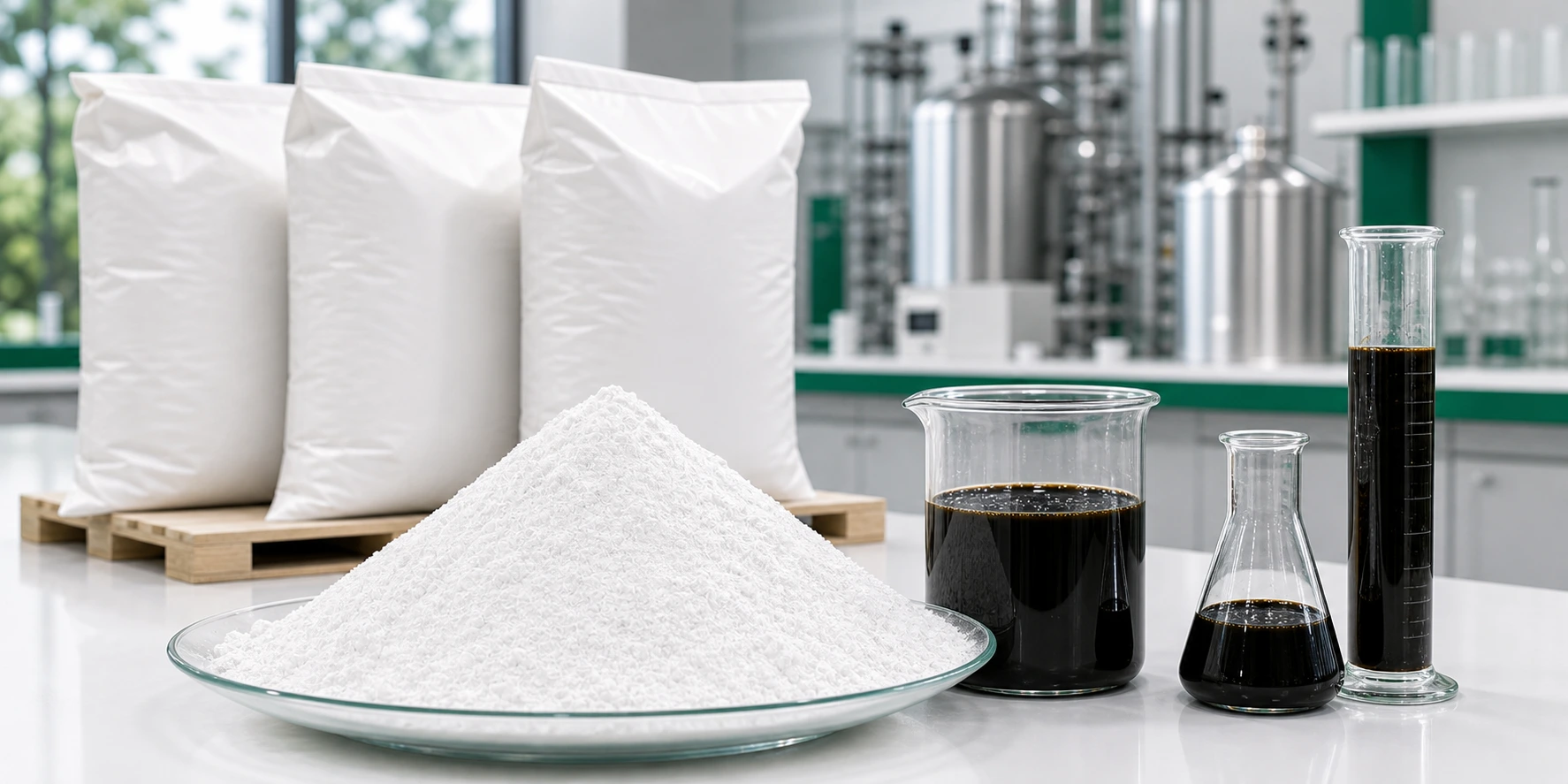
Product Summary
This page helps buyers quickly:
See what an OBM viscosifier is and how organoclay builds mud rheology.
Check viscosity, gel strength, suspension, and anti-sag value in OBM.
Move from OD-20 to the approved OD-series grade paths for OBM.
Use TDS, SDS/MSDS, COA and sample request paths before evaluation.
Send base oil, temperature, and rheology target for a grade recommendation.
Product Definition
An OBM viscosifier is an additive that builds viscosity and gel structure in oil-based mud so the fluid can suspend barite and cuttings. Organoclay - organically modified bentonite - is the primary viscosifier and gelling agent used in oil-based and synthetic-based systems, where ordinary water-swelling clay cannot perform. It develops the internal structure that controls flow, gel strength, and solids suspension.
Grade selection should follow base oil, temperature condition, mixing process, activator use, and target rheology. This page gives the product-category route for an organoclay OBM viscosifier; dosage, dispersion procedure, and full drilling-fluid technology belong to the separate technical resource pages.
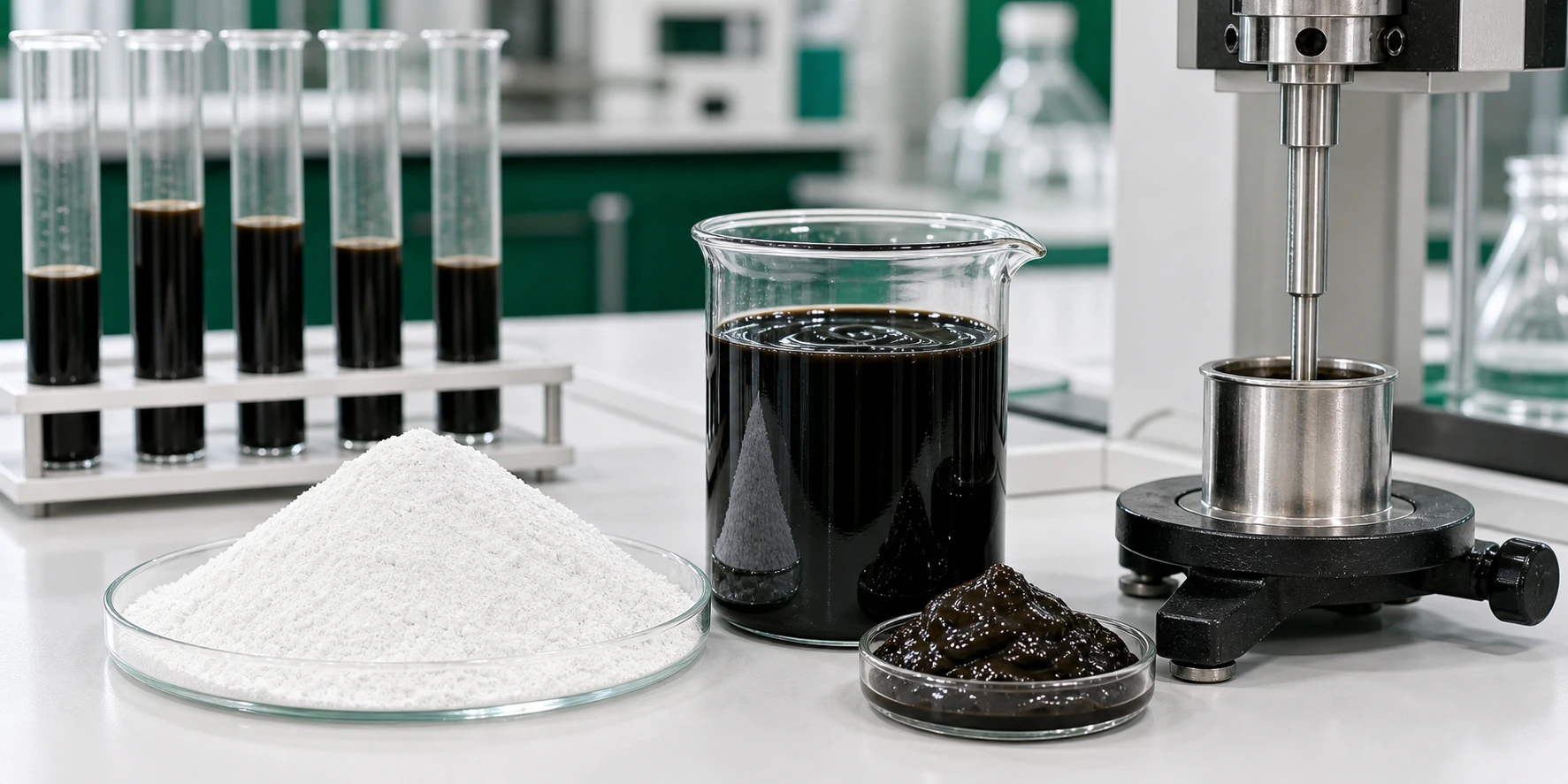
Product Value
These benefit areas help procurement and technical teams decide whether to request TDS, sample testing, or a grade recommendation.
Acts as the primary viscosifier that develops flow behavior in oil-based mud when grade and mixing are appropriate.
Supports gel structure and thixotropy discussion needed to hold solids during connections and static periods.
Helps buyers evaluate barite and cuttings suspension in non-water continuous systems, reducing sag risk.
Provides a product path for yield point and structure-building review before requesting TDS or samples.
Routes buyers across economical, wide-range, easy-dispersing, and high-temperature OD-series paths.
Connects procurement with manufacturer-direct supply, QC communication, and document support.
Application Fit
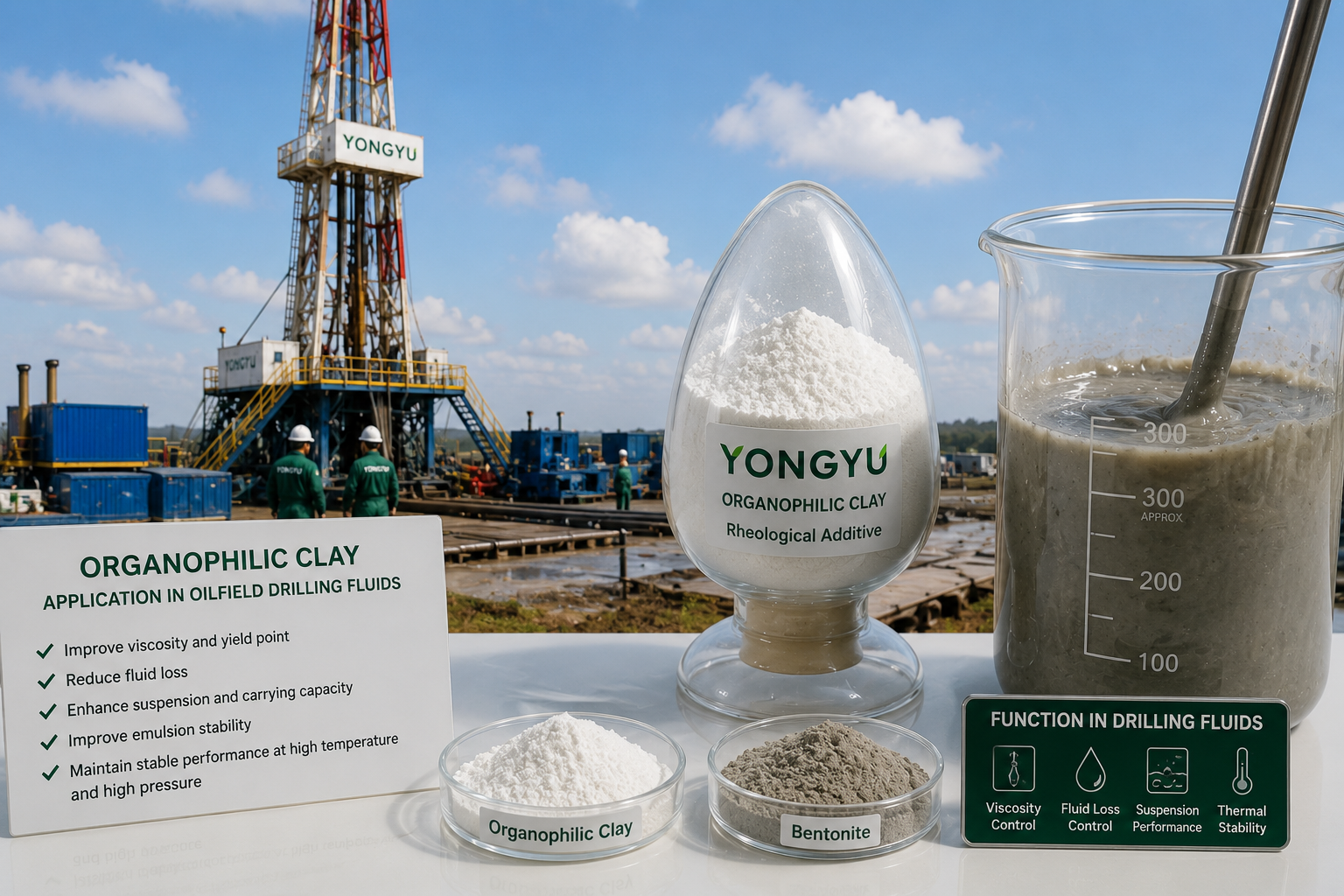
Review application fit, technical considerations, and the recommended next step for this drilling fluid system.
Open Solution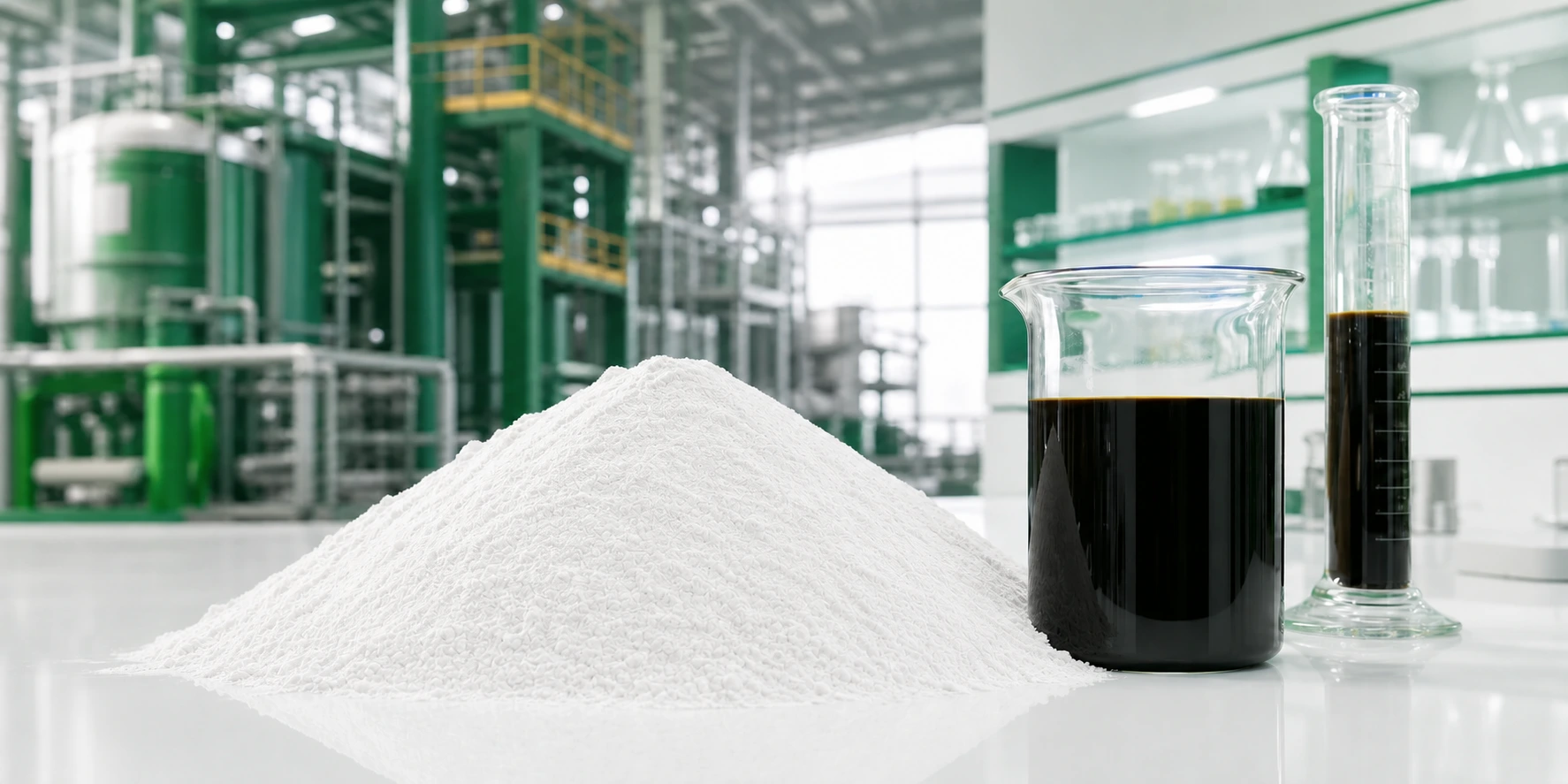
Review application fit, technical considerations, and the recommended next step for this drilling fluid system.
Open Solution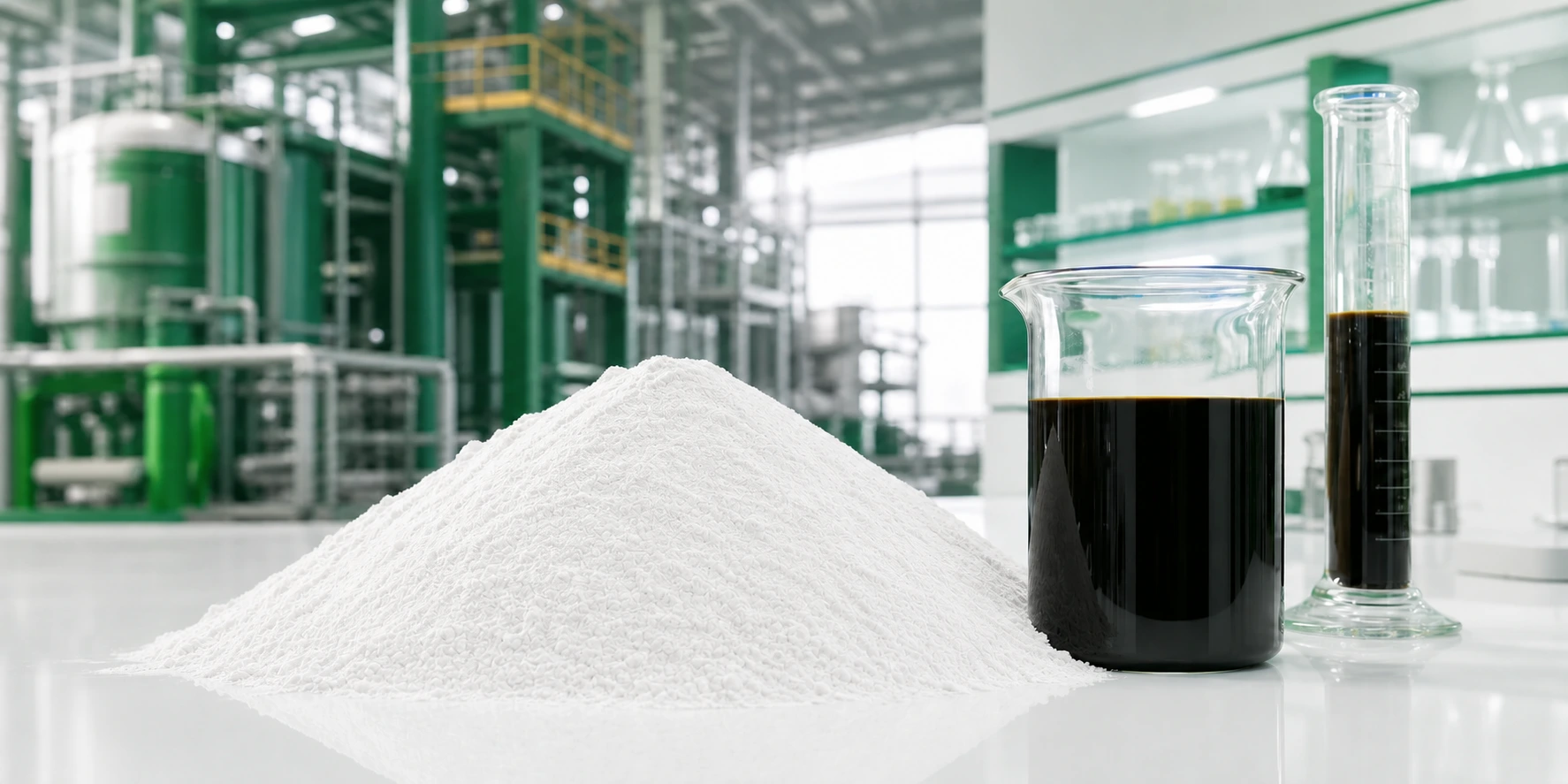
Review application fit, technical considerations, and the recommended next step for this drilling fluid system.
Open Solution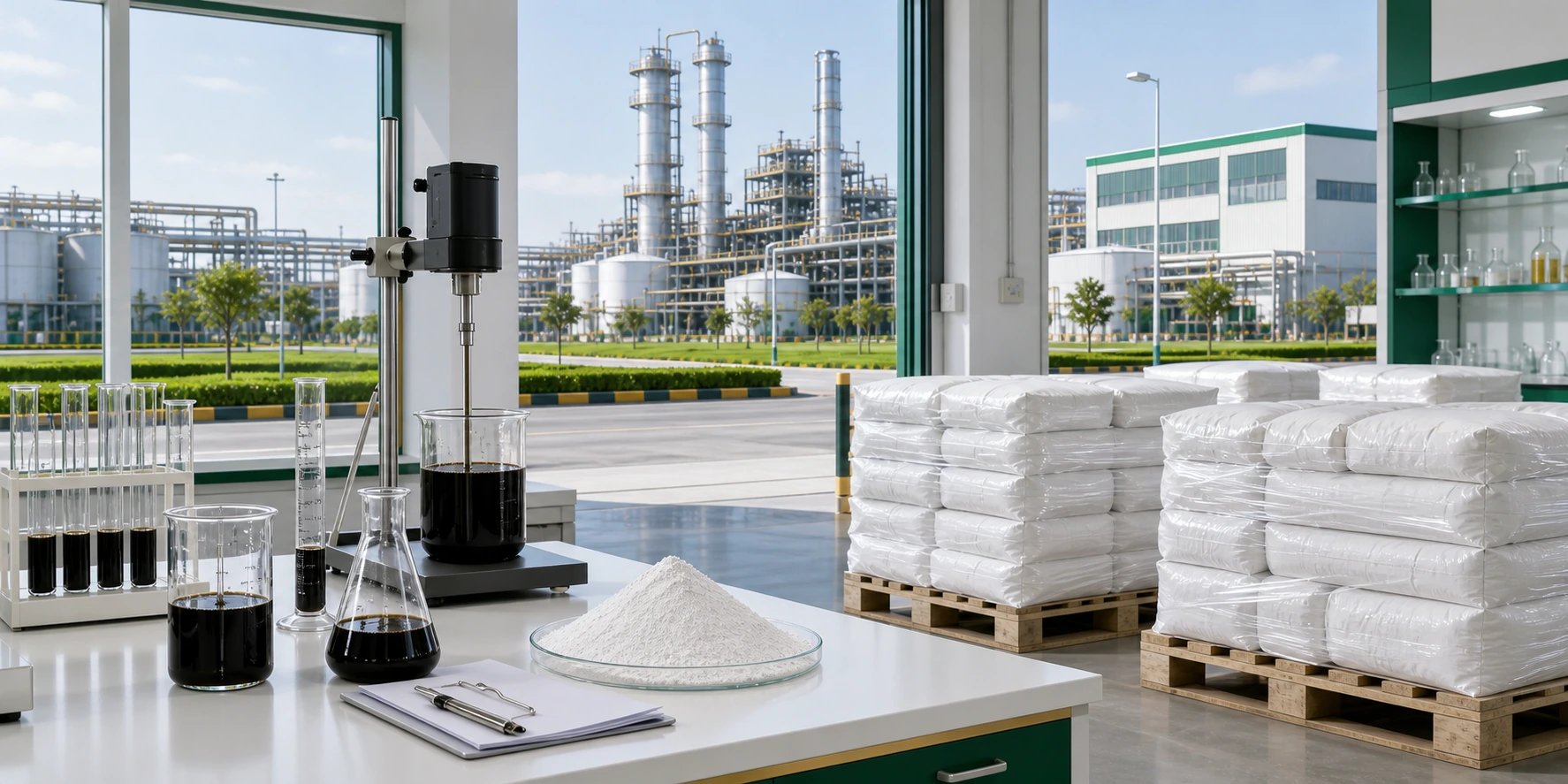
Review application fit, technical considerations, and the recommended next step for this drilling fluid system.
Open SolutionProduct Characteristics
Clean powder appearance for handling, sample review, and buyer documentation.
Functions as viscosifier, gelling agent, and suspension agent in oil-continuous mud.
Organically modified clay designed for oil-based and synthetic-based systems.
Economical conventional OBM viscosifier path, with related OD-series grades for wider needs.
Manufacturing and QC communication support consistent batch discussion and procurement planning.
Direct communication for TDS, SDS, sample, quotation, and export discussion.
Comparison Preview
This is a short selection preview only. Use the full grade selection guide when comparing OD-series paths for a real formulation or purchase decision.
| Selection point | Conventional Non-Clay Viscosifier | Organoclay OBM Viscosifier |
|---|---|---|
| Oil Compatibility | May be limited or additive-specific in oil-continuous systems | Designed for oil-based and synthetic-based mud review |
| Structure Building | Often needs supplemental gellants for gel strength | Builds viscosity and gel structure as the primary agent |
| Solids Suspension | Suspension can be inconsistent under temperature | Supports barite/cuttings suspension and sag-risk evaluation |
| Temperature Range | Varies by chemistry | OD-series paths cover economical to high-temperature review |
| Selection Basis | Product-specific | Selected against base oil, temperature, and rheology target |
Available Product Grades
Only approved grade paths are shown here. Final selection should be confirmed with current TDS, sample testing, and technical review.
Lead economical OBM viscosifier and gelling-agent path for general oil-based mud.
Request TDS Related economical grade for conventional oil-based mud viscosity review.
View Grade Wide-range, self-activated OD-series path for broader base-oil and rheology needs.
View Grade Dispersion-focused path for handling, wetting, and sample-testing support.
View Grade Easy-dispersing, no-activator OD-series path for OBM and SBM evaluation.
View Grade High-temperature review path for severe-condition and deep-well discussions.
View Grade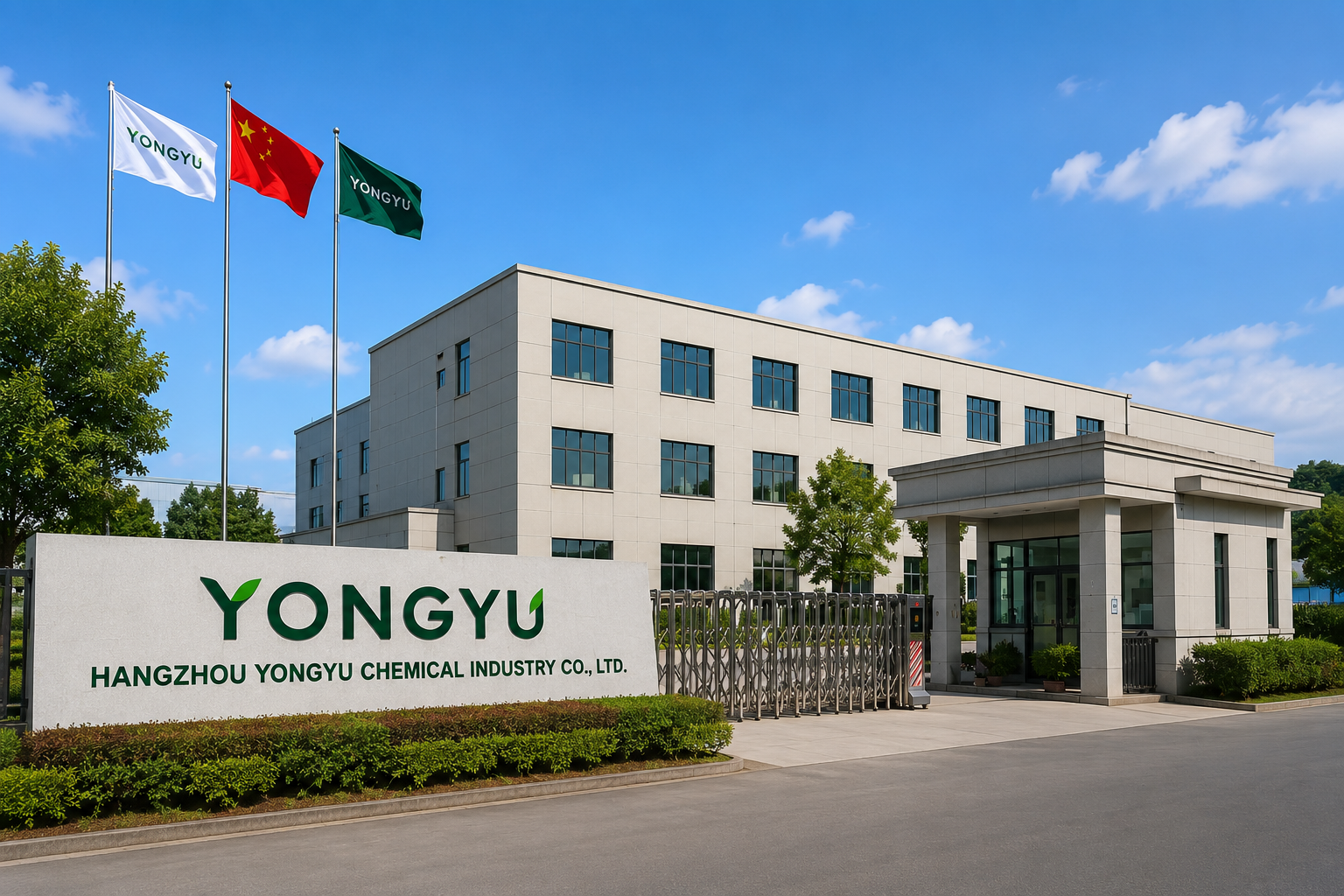
Manufacturer Direct Supply
HANGZHOU YONGYU CHEMICAL INDUSTRY CO., LTD. is presented in the approved project brief as a manufacturer established in 2005, with annual capacity of 25,000 tons per year. The team supports product selection, export communication, document requests, sample evaluation, and quotation discussion for international oilfield chemical buyers.
Approved procurement facts include 25 kgs/bag packaging, MOQ of 1,000 kgs, and lead time of 7-10 working days after receiving deposit.
Buyer Journey
Use this process when you need an OBM viscosifier for drilling fluid evaluation, sample testing, document review, and quotation planning.
Share base oil, temperature condition, density target, and rheology goal.
The team routes your request to the suitable OD-series grade path.
Review documents and test a sample before internal approval.
Confirm quantity, packaging, lead time, destination, and document needs.
Proceed with production, export preparation, and delivery communication.
Technical Documents
Use these document paths to support formulation review, safety review, procurement approval, and sample testing.
Review current technical information before formulation evaluation, internal approval, or supplier comparison.
Download / Request SDS / MSDSSupport safety, handling, compliance, and procurement review before ordering.
Download / Request COAAsk for COA support where available when sample or batch-level quality review is required.
Download / Request Sample RequestShare your base oil, temperature, and target rheology for evaluation guidance.
Request SampleBuyer Questions
An OBM viscosifier is an additive that builds viscosity and gel structure in oil-based mud so the fluid can suspend weighting material and drilled cuttings. In non-water continuous systems, organoclay - organically modified bentonite - is the primary viscosifier and gelling agent, because ordinary water-swelling clay does not perform in oil. It develops the internal structure that controls flow behavior, gel strength, and solids suspension. The correct grade should still be confirmed by base oil, temperature, and sample testing before bulk use.
Organoclay disperses in the oil phase and, once wetted and activated, builds a weak internal network that raises low-shear viscosity and gel strength. This structure carries barite and cuttings and reduces sag risk during static periods. Performance depends on base oil type, temperature, shear and mixing energy, and whether a polar activator is used. Because it is one additive within the full mud formulation, buyers should review the TDS and run sample tests to confirm the response in their own system.
This page focuses on oilfield systems where an organoclay OBM viscosifier is commonly reviewed: oil-based drilling fluids, oil-based mud, synthetic-based mud, and invert emulsion mud. Diesel and mineral-oil systems are typical. For selection, share the fluid type, base oil, operating temperature, density target, and rheology goal before requesting a grade recommendation or sample. Buyers working in other industrial applications should use the correct future application page rather than this oilfield page, which keeps the recommendation focused.
Start with the base oil, temperature condition, target viscosity or yield point, dispersion method, activator availability, and document requirements. OD-20 is the lead economical path for general oil-based mud, with related OD-series grades for wide-range, easy-dispersing, and high-temperature needs. Do not choose by model name alone. Send your system, target performance, estimated quantity, and required documents to the technical team so they can route you toward a suitable sample, document request, or quotation. This reduces selection risk.
Dosage and addition depend on the base oil, target rheology, temperature, and mixing energy, so this page does not publish a fixed number. As a general principle, organoclay is added early with adequate shear and, in some systems, a polar activator to develop full yield. For a step-by-step method and dosage guidance, use the technical resource pages and request the current TDS. Confirm the working dosage through sample testing in your own formulation before scaling to a bulk order.
Yes. Buyers can request the current TDS for technical review, internal approval, and supplier comparison, and can request samples when the enquiry includes enough technical context. To improve recommendation quality, share the base oil, temperature condition, target rheology, expected quantity, destination country, and required documents. SDS/MSDS and COA support can also be requested where needed for safety and batch review. Final selection should be confirmed through document review and actual formulation testing before any large order.
Technical Contact
Discuss base oil, temperature condition, and rheology target before selecting a grade.
Support Email SupportUse the contact path to send documents, sample questions, and procurement requirements.
Support RFQ SupportRequest quotation details for quantity, packaging, lead time, and export communication.
Support Product RecommendationAsk the team to route your request toward the suitable OD-series grade path.
Bottom CTA
Send your base oil, temperature condition, rheology target, quantity, and document requirements. The technical team can route you to the right OD-series grade path, TDS, sample, or quotation.