Understand Barite Sag
See why weighting material settles in deviated, high-angle, and HPHT wells.
Problem / Solution Page
Barite sag is the settling of weighting material along the low side of the wellbore, most common in deviated, high-angle, and HPHT wells during static periods. Organoclay builds gel structure and low-shear-rate viscosity across the continuous oil phase to help hold weighting material in suspension. Request current TDS, samples, or a grade recommendation before testing.

Solution Summary
This page helps buyers quickly:
See why weighting material settles in deviated, high-angle, and HPHT wells.
Review how organoclay gel structure and low-shear viscosity support suspension during static periods.
Move toward the high-temperature grade review path for sag-prone conditions.
Request TDS and run static/dynamic sag testing before finalizing a formulation.
Definition
Barite sag is the settling of weighting material out of a drilling fluid, most often seen along the low side of the wellbore in deviated, high-angle, and horizontal wells, and during extended static periods such as connections or logging. Sag can cause density variation across the wellbore and complicate downhole pressure control.
Organoclay helps address sag by building low-shear-rate viscosity and gel structure across the continuous oil phase in oil-based and synthetic-based mud. This is the same suspension mechanism described on the broader suspension and anti-settling solution page, applied here with a focus on deviated-well geometry and elevated temperature.
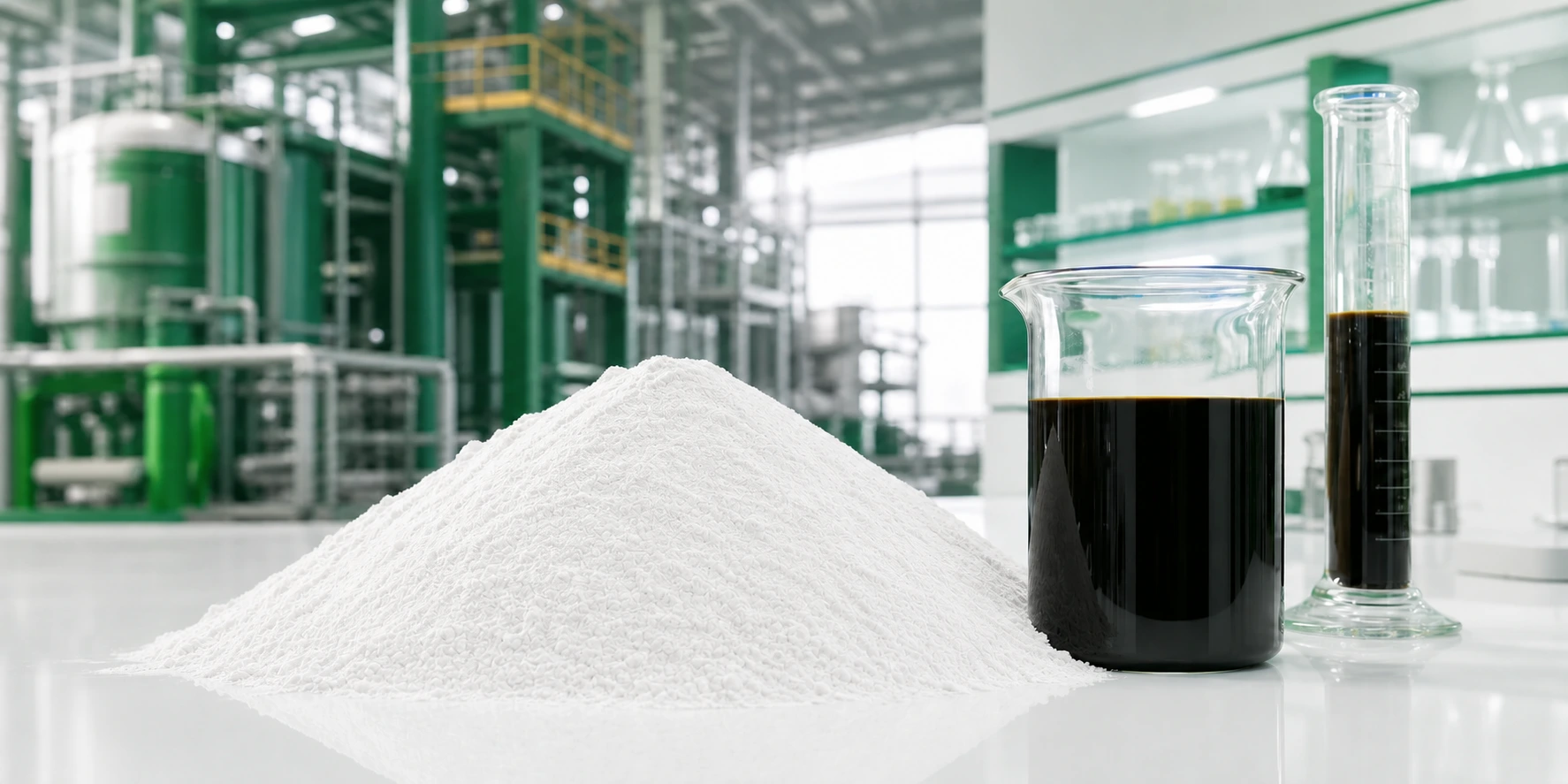
Sag Risk Factors
Use this table to connect a common sag risk factor with the practical check to run before finalizing a formulation.
| Sag risk factor | Why it increases risk | Buyer check |
|---|---|---|
| High-angle or horizontal well section | Weighting material settles more easily along the low side of the wellbore | Review well geometry alongside grade and mud weight |
| Extended static periods (connections, logging) | No circulation means less mechanical support for suspended solids | Confirm gel structure and LSRV targets for expected static time |
| Elevated downhole temperature (HPHT) | Standard grades can lose structure as temperature rises | Review the high-temperature organoclay path (OD-29) |
| High mud weight | More weighting material increases sag risk if structure is insufficient | Confirm gel strength and LSRV against the target density |
Product Direction
Only approved OD-series grade paths are shown. Final selection should be confirmed with current TDS, sag testing, and technical review.
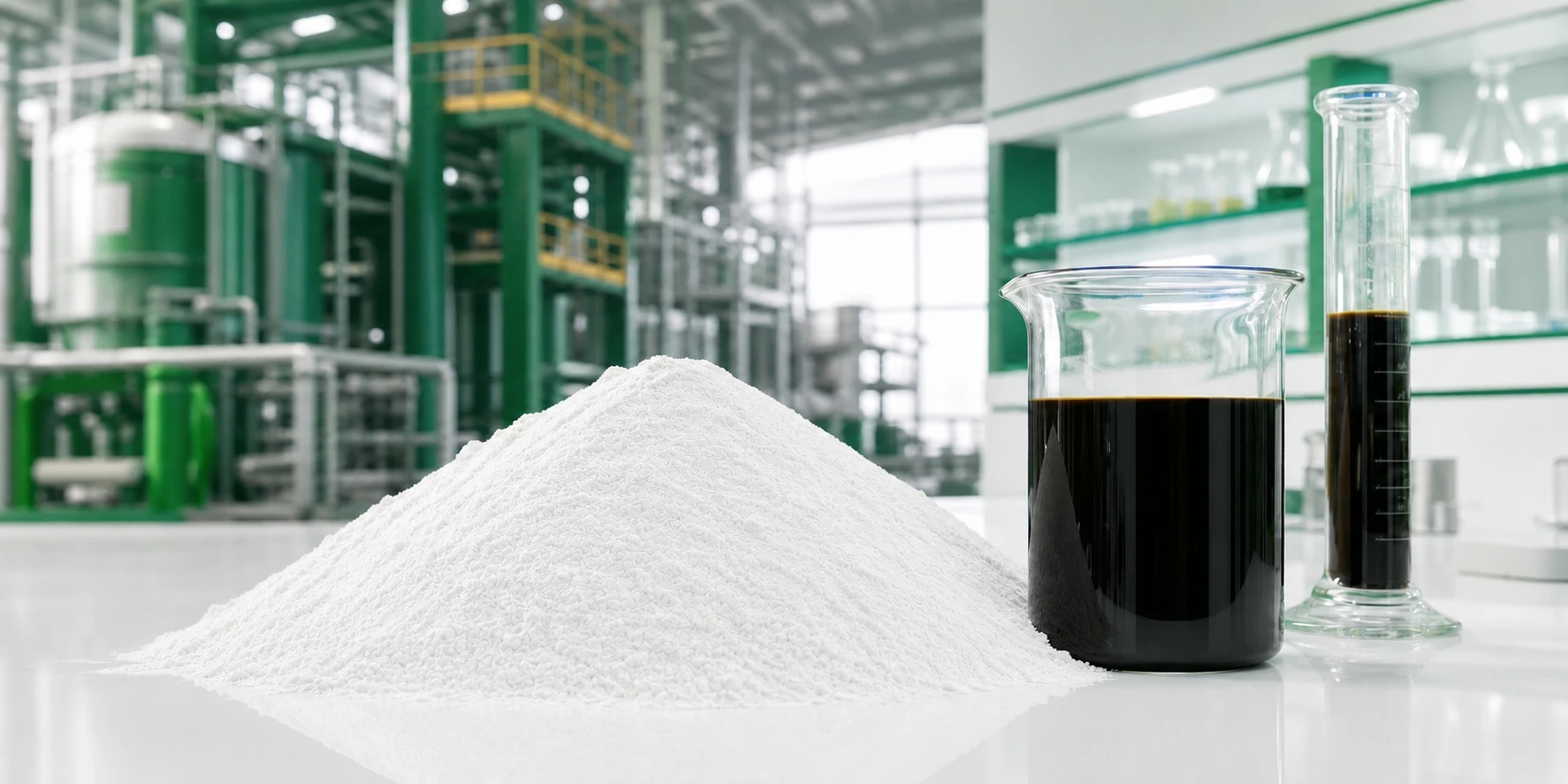
Primary review path for sag-prone HPHT and deviated-well conditions.
View Product General oil-based mud suspension and rheology path for OBM buyers.
View Product See the broader suspension and anti-settling problem/solution page.
Open Solution Compare approved OD-series grade paths before testing a formulation.
Compare Grades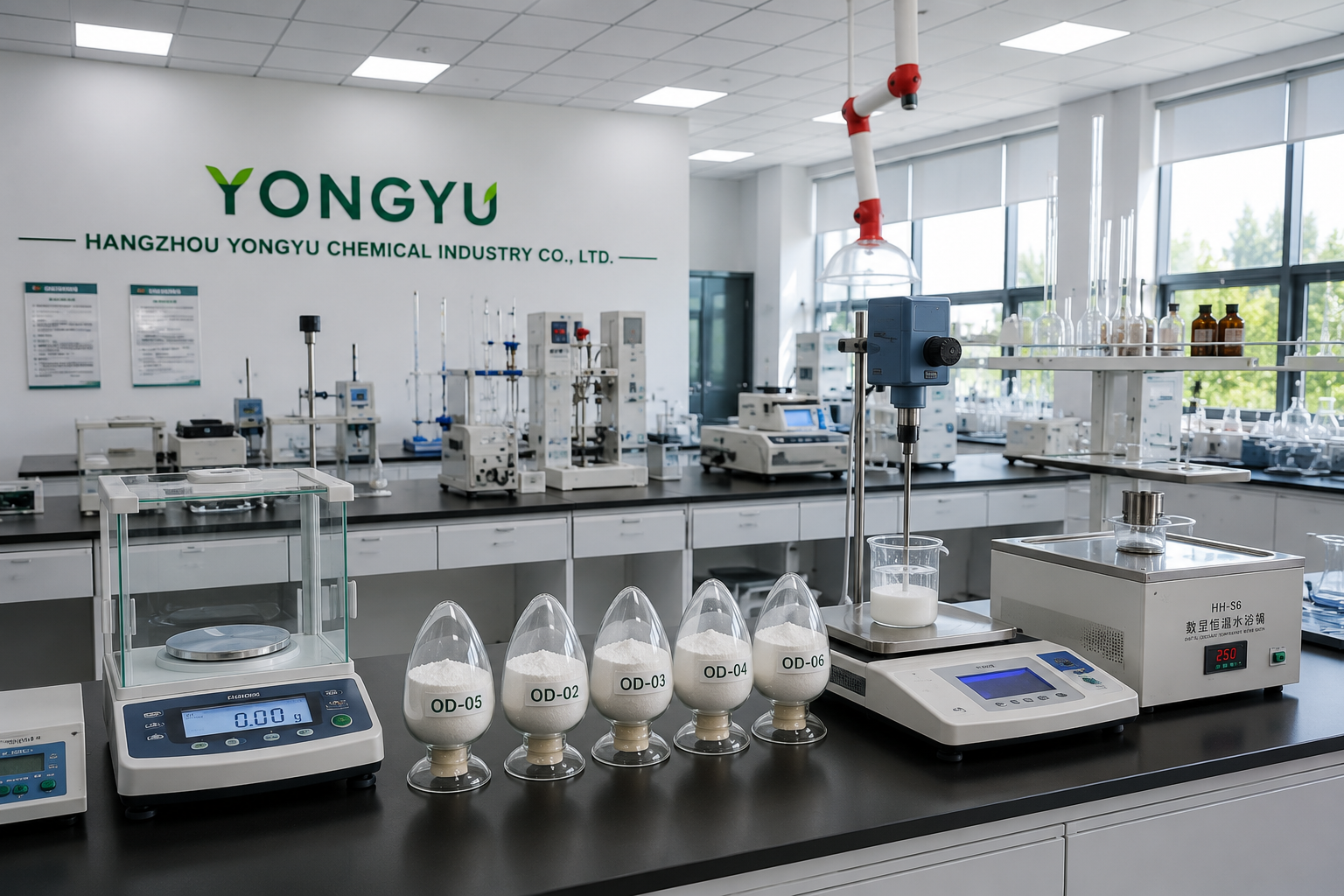
Manufacturer Direct Supply
HANGZHOU YONGYU CHEMICAL INDUSTRY CO., LTD. is presented in the approved project brief as a manufacturer established in 2005, with annual capacity of 25,000 tons per year. The team supports grade selection, export communication, document requests, sample evaluation, and quotation discussion for international oilfield chemical buyers.
Technical Documents
Use these document paths to support sag-risk formulation review, safety review, and sample testing.
Review current technical information before sag-risk formulation review or supplier comparison.
Download / Request SDS / MSDSSupport safety, handling, compliance, and procurement document review before ordering.
Download / Request Sample RequestShare your well geometry, mud weight, and temperature for evaluation guidance.
Request SampleBuyer Questions
Barite sag is the settling of weighting material (typically barite) out of the drilling fluid, most often seen in deviated, high-angle, and horizontal wells, and during periods of low circulation or static conditions. It can cause density variation across the wellbore and downhole pressure-control issues. Organoclay is used to build low-shear-rate viscosity and gel structure that help keep weighting material suspended and reduce sag risk.
Deviated and high-angle wells allow weighting material to settle along the low side of the wellbore more easily than in vertical sections, and extended static periods during connections or logging increase the risk. Elevated downhole temperature in HPHT wells can also reduce the structure a standard organoclay grade holds, which is why a high-temperature grade path is typically reviewed for these conditions.
Organoclay builds a structural network across the continuous oil phase that raises low-shear-rate viscosity and gel strength, helping the fluid carry and hold weighting material in place during low-shear and static periods. This same suspension mechanism described on the suspension and anti-settling solution page applies to sag prevention, with an added focus here on deviated-well geometry and temperature.
For high-angle, deviated, or HPHT wells with sag risk, the high-temperature organoclay path around OD-29 is typically the starting review point, since it is positioned to hold structure as downhole temperature rises. Final selection still depends on base oil, mud weight, well geometry, and temperature, so confirm with the current TDS and sag testing in your own formulation.
Sag behavior is well-formulation- and well-geometry-specific, so static and dynamic sag test results are not published on this page. Buyers should request the current TDS and run static or dynamic sag testing at their target mud weight and well angle before finalizing a formulation for a sag-prone well.
Bottom CTA
Send your well geometry, base oil, mud weight, temperature condition, quantity, and document requirements. The technical team can route you to the right OD-series grade path, TDS, sample, or quotation.