Understand Stability
See what governs emulsion stability in oil-based mud and where organoclay fits.
Problem / Solution Page
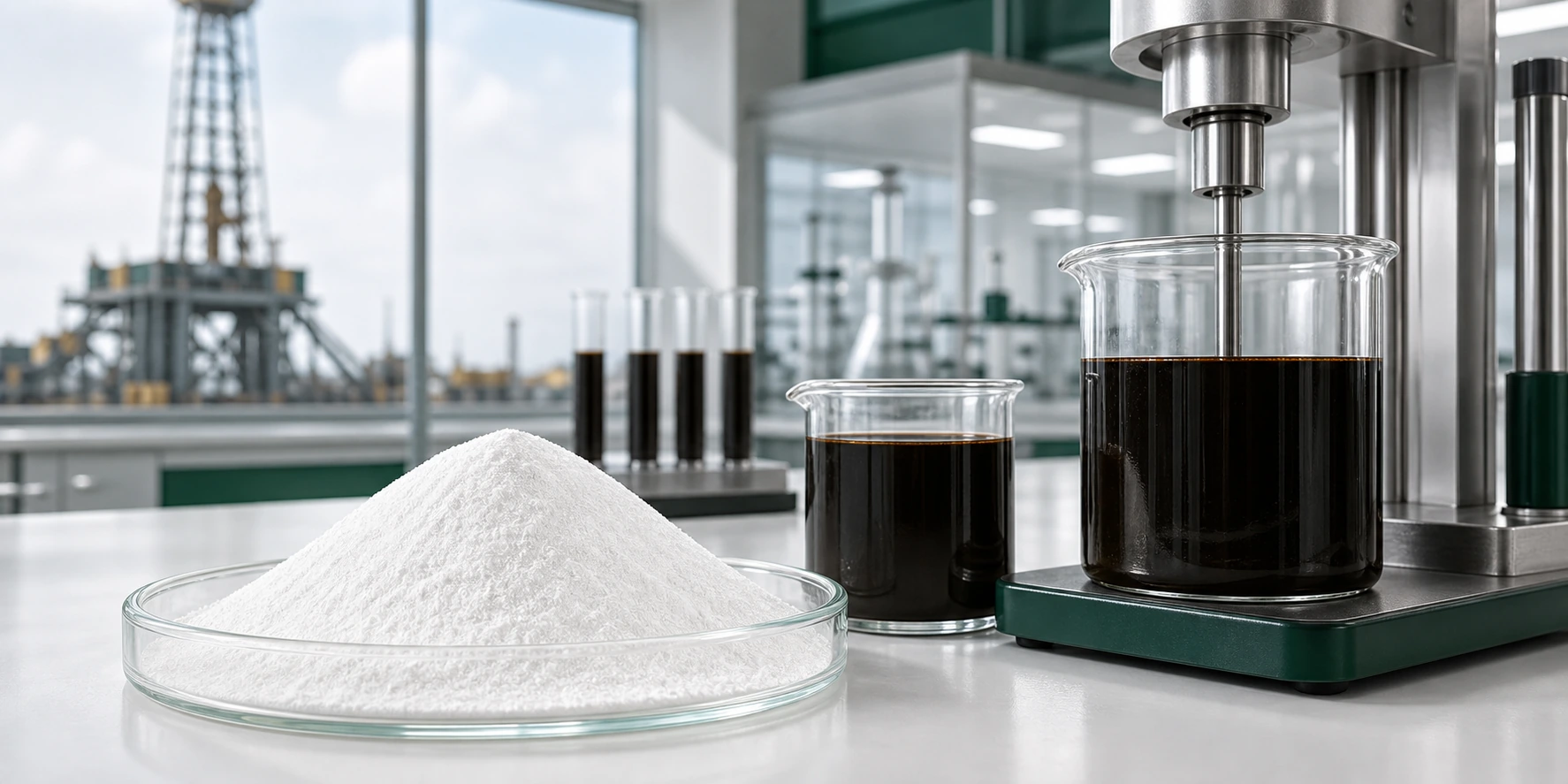
In oil-based mud, emulsion stability is set by the emulsifier package. Organoclay does not emulsify water into oil; it builds rheology and suspension structure that keeps solids and droplets uniform, supporting overall fluid stability. This page explains that role and the OD-series grade paths. Request current TDS, samples, or a grade recommendation before testing.
Solution Summary
This page helps buyers quickly:
See what governs emulsion stability in oil-based mud and where organoclay fits.
Learn why emulsifiers stabilize the emulsion while organoclay supports the structure.
Move from the stability target to an approved OD-series product direction.
Use ES and rheology testing to evaluate the whole fluid, not one additive alone.
Request TDS, SDS/MSDS, COA and samples before internal approval and purchase.
Definition
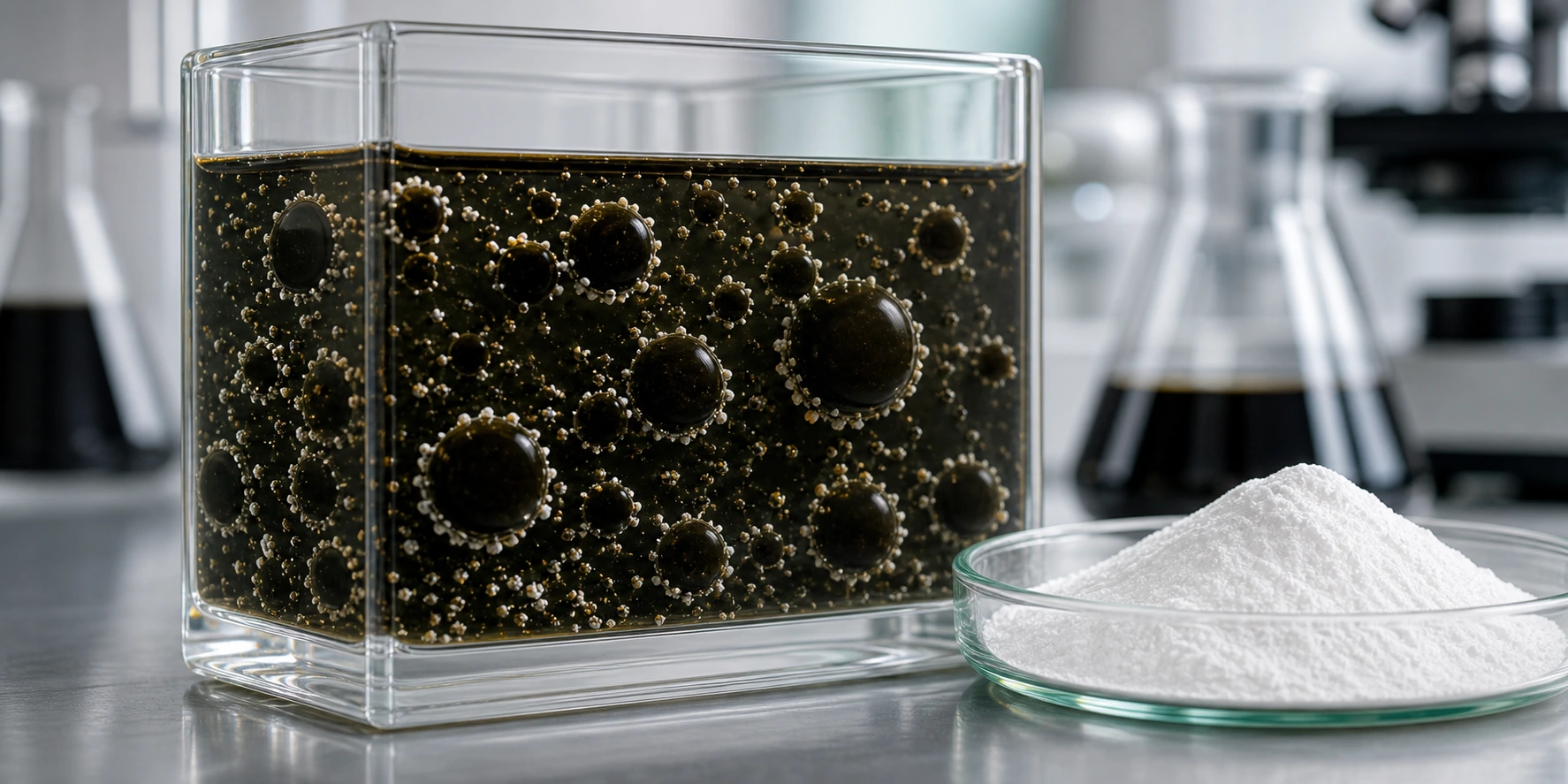
Emulsion stability in oil-based and invert emulsion mud is governed mainly by the emulsifier package that keeps water dispersed as fine droplets in the continuous oil phase. Water content, brine type, temperature, contamination and shear history all influence how stable that emulsion stays.
Organoclay is not the emulsifier. It builds a thixotropic structural network that raises low-shear viscosity and gel strength, keeping solids and droplets suspended so the designed emulsion performs consistently. A stable oil-based mud comes from balancing the emulsifier package with the rheology system, confirmed through electrical stability and rheology testing with the current TDS.
Problem Summary and Common Causes
Use this table to connect a common oil-based mud stability problem with the organoclay function and the practical check to run before changing grade or dosage.
| Stability problem | Organoclay function | Buyer check before changing |
|---|---|---|
| Low electrical stability (ES) | Not solved by organoclay alone | Review emulsifier package, lime and water phase first |
| Barite sag in a designed emulsion | Builds gel structure for solids suspension | Check mud weight, temperature and gel readings |
| Settling that destabilizes the fluid | Adds low-shear structure to hold droplets and solids | Verify grade fit and activation before changing loading |
| Inconsistent rheology in OBM | Provides thixotropic structure support | Balance emulsifier and organoclay; run ES and rheology tests |
| Stability loss on hot wells | HPHT-oriented grade can hold structure longer | Review temperature window and request current TDS |
How It Works
These performance areas help procurement and technical teams decide whether to request TDS, plan ES and rheology testing, or ask for a grade recommendation.
Keeps barite, cuttings and brine droplets suspended so the fluid stays uniform between circulation.
Builds static gel strength that supports a consistent, low-settling emulsion system.
Develops low-shear structure that helps carry solids and stabilize the fluid at rest.
Provides structure rebuild after shear so the system recovers stability quickly.
Works alongside the primary and secondary emulsifier package rather than replacing it.
Grade selection can consider elevated and HPHT wells, confirmed against TDS and testing.
Stability Parameters
Emulsion strength is set by the emulsifier package; organoclay is evaluated alongside it for suspension and structure. Confirm targets for your mud design before selecting a grade.
| Parameter | Why it matters | Organoclay role |
|---|---|---|
| Electrical stability (ES) | Emulsion strength of the water-in-oil system | Set by emulsifier package; organoclay evaluated alongside it |
| Gel strength (10s / 10min) | Static suspension supporting a uniform fluid | Primary parameter organoclay develops |
| Low-shear-rate viscosity (LSRV) | Solids and droplet carrying at low shear | Low-shear structure supported by organoclay |
| Yield point (YP) | Cuttings transport and hole cleaning | Yield structure across the oil-continuous phase |
Product Direction
Only approved OD-series grade paths are shown. Final selection should be confirmed with current TDS, sample testing, and technical review.
Primary oil-based mud rheology and suspension path for OBM buyers.
View Product Severe-condition grade path for HPHT stability review.
View Product Dispersion-focused grade path for fast wetting and mixing.
View Product General organophilic clay drilling-grade category for OBM and SBM.
View Product See organoclay in the full invert emulsion drilling fluid system.
Open Solution See how organoclay controls suspension and reduces sag.
Open SolutionWhat to Check Before Changing
Review these factors before adjusting grade or loading, and share them so the technical team can route your request to a suitable grade and sample path.
Emulsion strength is set by emulsifiers; organoclay is balanced with them.
Water content and brine type strongly affect emulsion stability.
Match the grade to the continuous phase for reliable structure.
Confirm the operating temperature window before selecting a grade.
Define gel strength and low-shear viscosity for a uniform fluid.
List required documents and quantity so the team can route the correct grade and sample.
Testing & Troubleshooting
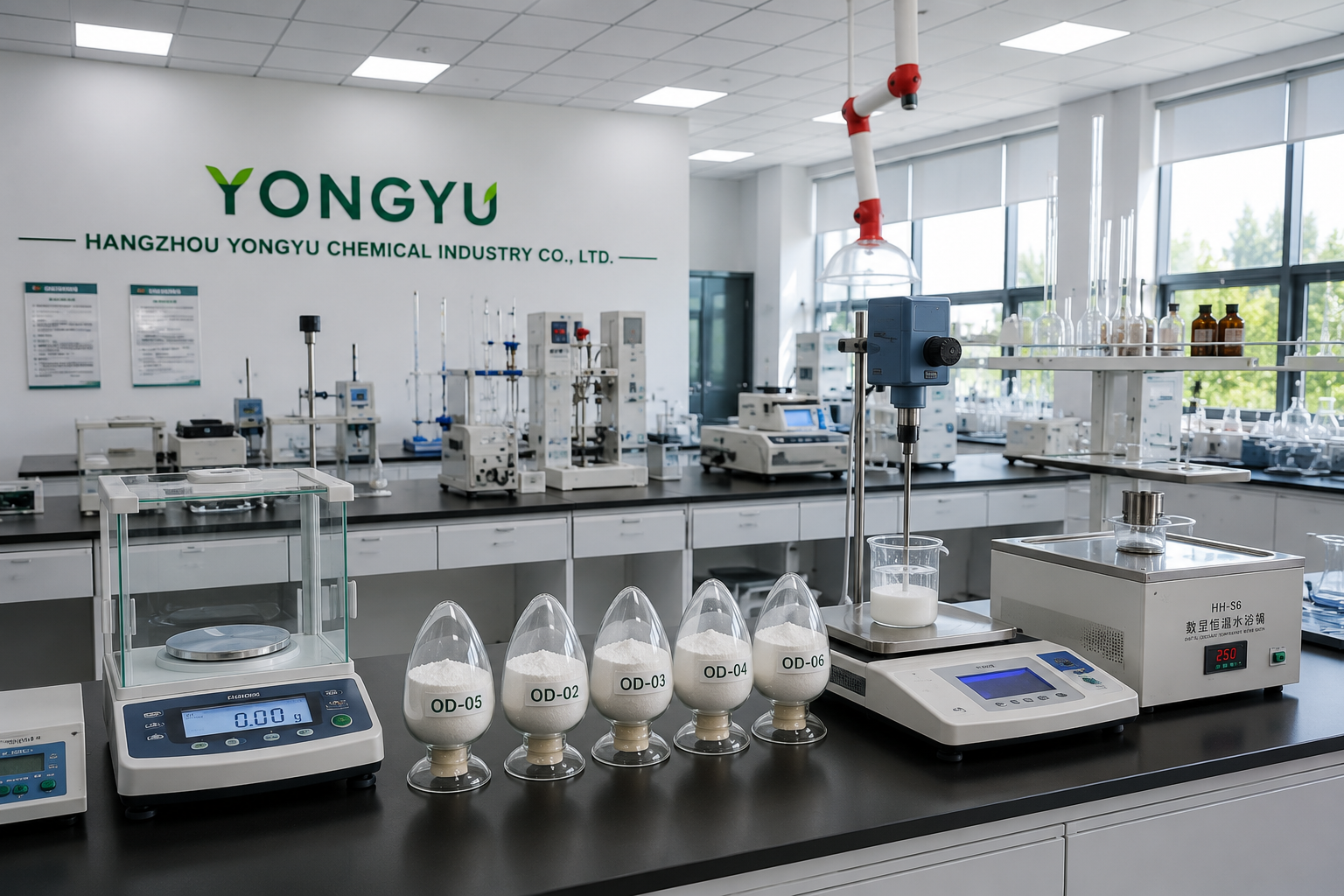
Plan these tests to evaluate stability with organoclay in context. Values are not published here; confirm results for your system through testing and the current TDS.
| Test method | What it evaluates | Buyer note |
|---|---|---|
| Electrical stability (ES) | Emulsion strength of the designed system | Evaluate emulsifier package and organoclay together |
| Rheology profile (YP, gel) | Structure supporting a uniform fluid | Test at representative mud weight and temperature |
| Static suspension / barite sag | Settling that can destabilize the fluid | Observe over time at the target density |
| HPHT / hot-roll aging | Stability after thermal exposure | Match aging temperature to the well program |
Manufacturer Direct Supply
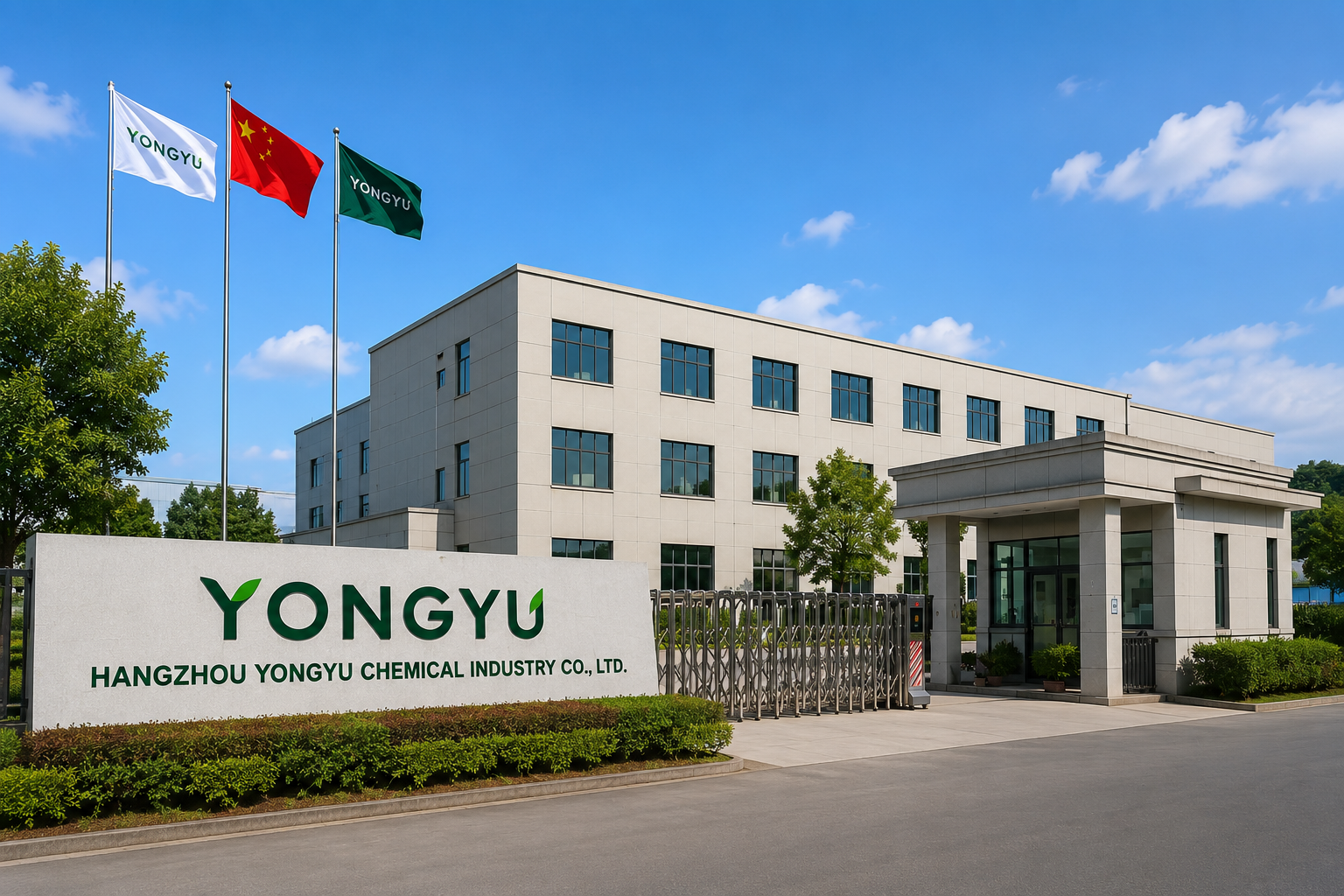
HANGZHOU YONGYU CHEMICAL INDUSTRY CO., LTD. is presented in the approved project brief as a manufacturer established in 2005, with annual capacity of 25,000 tons per year. The team supports grade selection, export communication, document requests, sample evaluation, and quotation discussion for international oilfield chemical buyers.
Approved procurement facts include 25 kgs/bag packaging, MOQ of 1,000 kgs, and lead time of 7-10 working days after receiving deposit.
Buyer Journey
Use this process when you need organoclay to support oil-based mud stability, run testing, review documents, and plan quotation.
Share base oil, water phase, mud weight, temperature, and rheology target.
The team routes your request to the suitable OD-series grade path.
Review documents and run ES and rheology tests before internal approval.
Confirm quantity, packaging, lead time, destination, and document needs.
Proceed with production, export preparation, and delivery communication.
Technical Documents
Use these document paths to support stability review, safety review, procurement approval, and sample testing.
Review current technical information before stability evaluation, internal approval or supplier comparison.
Download / Request SDS / MSDSSupport safety, handling, compliance and procurement document review before ordering.
Download / Request COAAsk for COA support where available when sample or batch-level quality review is required.
Download / Request Sample RequestShare your oil-based mud system, base oil and stability target for evaluation guidance.
Request SampleBuyer Questions
Emulsion stability in an oil-based or invert emulsion mud is governed mainly by the emulsifier package — the primary and secondary emulsifiers, lime and wetting agents that keep water dispersed as fine droplets in the continuous oil phase. Water content, brine type, temperature, contamination and shear history all influence how stable that emulsion stays. Organoclay is not the emulsifier; it builds rheological structure that supports overall fluid stability by keeping solids and droplets suspended. A stable OBM comes from balancing the emulsifier package with the rheology system and confirming performance through electrical stability and rheology testing.
Not directly. Organoclay does not emulsify water into oil — that is the emulsifier package’s role. What organoclay does is build a thixotropic structural network in the continuous oil phase that raises low-shear viscosity and gel strength, keeping barite, cuttings and brine droplets suspended. By reducing settling and supporting a uniform fluid, it helps the designed emulsion perform more consistently. On this page, “emulsion stability” support means that structural contribution within a proper emulsifier system, not a replacement for emulsifiers. Balance the two and validate with electrical stability (ES) and rheology tests.
The common field and lab indicator is electrical stability (ES), measured with an ES meter that reports the voltage at which the emulsion breaks; higher ES generally indicates a more stable water-in-oil emulsion. ES is read alongside rheology (viscosity, yield point, gel strength) and sometimes high-temperature high-pressure testing to see how the whole fluid behaves. Because ES depends on the emulsifier package, water phase and temperature, organoclay grade and loading should be evaluated together with the emulsifier system rather than judged on ES alone. Confirm targets for your system with the current TDS and testing.
It depends on the base oil, water content, mud weight and temperature. For general oil-based mud, buyers often begin with the OBM viscosifier path around OD-20 or a drilling-grade path such as OD-05; high-temperature systems point toward OD-29, and dispersion-sensitive systems may review OD-28 or OD-E29. The organoclay is selected for its rheology and suspension contribution, then balanced with the emulsifier package. Share your base oil, water phase, temperature and rheology target so the technical team can route you to a suitable OD-series grade, and confirm the choice with the current TDS and testing.
Request the current TDS for technical and formulation review, the SDS/MSDS for safety, handling and compliance review, and a COA where available when batch-level quality confirmation is required. These documents help technical and procurement teams evaluate the product category, application focus and document status before stability and rheology testing. For faster handling, include your company, destination country, OBM system details and expected quantity so the team can route the correct document and sample path for your evaluation.
Yes. Samples are available for buyer evaluation when the request includes enough technical context. Share your oil-based mud system, base oil, water phase, mud weight, temperature condition, target rheology and electrical stability, expected quantity, destination country and required documents. The team can then confirm whether to start with TDS review, a rheology and stability sample test, quotation support or a product recommendation. Final grade selection should be confirmed through document review and actual formulation testing before any large order, which reduces procurement and performance risk.
Technical Contact
Discuss base oil, water phase, temperature condition and rheology target before selecting a grade.
Support Email SupportUse the contact path to send documents, sample questions and procurement requirements.
Support RFQ SupportRequest quotation details for quantity, packaging, lead time and export communication.
Support Product RecommendationAsk the team to route your request toward the suitable OD-series grade path.
Bottom CTA
Send your base oil, water phase, mud weight, temperature condition, rheology target, quantity, and document requirements. The technical team can route you to the right OD-series grade path, TDS, sample, or quotation.