Confirm Fluid System Fit
Check whether your workover fluid is oil-based before evaluating organoclay.
Application Scenario Page
Where a workover fluid uses an oil-continuous system, organoclay can contribute the same kind of viscosity and suspension structure it provides in oil-based drilling mud. Many workover fluids are brine- or water-based, where organoclay does not apply, so confirming your fluid system type is the first step. Request current TDS, samples, or a grade recommendation before testing.

Application Summary
This page helps buyers quickly:
Check whether your workover fluid is oil-based before evaluating organoclay.
Understand where organoclay contributes to an oil-based workover fluid.
Review compatibility considerations before committing to a bulk order.
Request TDS, samples, or a grade recommendation for evaluation.
Scenario Requirements
Workover fluids are used during well intervention and maintenance, and can be formulated as oil-based, water-based, or brine systems depending on the program. Organoclay's function is specific to oil-continuous systems: where a workover fluid is oil-based, organoclay can contribute viscosity and suspension structure in the same way it does in oil-based drilling mud.
This page does not claim organoclay is suitable for every workover fluid type. Confirm your fluid system before evaluating a grade, and validate compatibility and performance through your own testing.
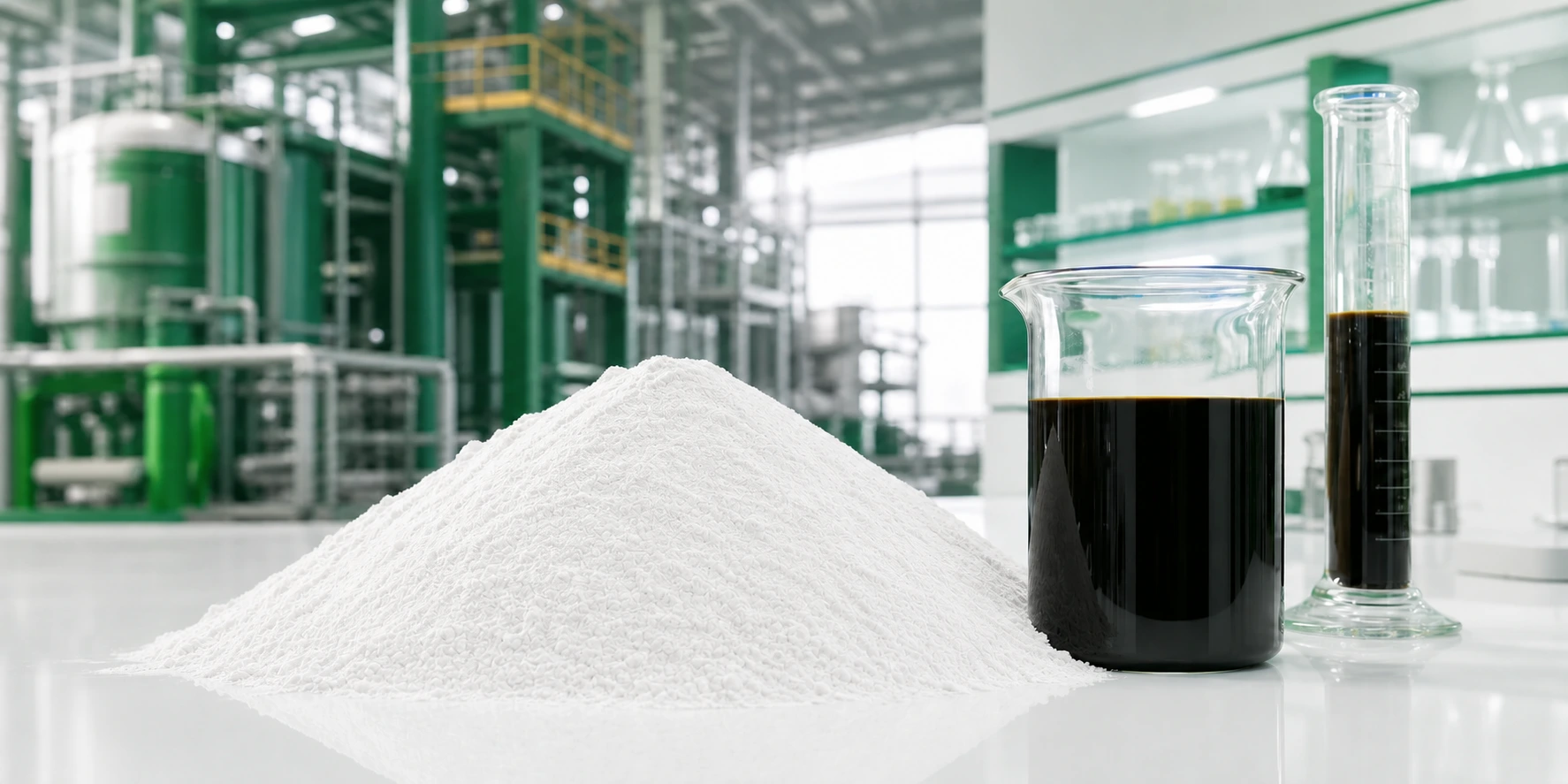
Main Fluid Challenges
| Workover fluid challenge | Organoclay function | Buyer check before use |
|---|---|---|
| Solids suspension in an oil-based workover fluid | Builds gel structure to help suspend solids in the oil-continuous phase | Confirm your workover fluid is oil-based before evaluating organoclay |
| Compatibility with completion or other program fluids | Not automatic; depends on the full formulation | Run a small-scale compatibility test before bulk use |
| Rheology stability during a workover operation | Provides viscosity and gel structure similar to its role in drilling mud | Confirm target rheology and temperature condition with the technical team |
How It Works
Contributes gel structure for solids suspension in oil-continuous workover fluid.
Functions similarly to its role in oil-based drilling mud, where the system is oil-continuous.
Direct sourcing supports document and sample requests for evaluation.
Recommended Product Direction
Only approved OD-series grade paths are shown. Final selection should be confirmed with current TDS, sample testing, and technical review specific to your workover formulation.
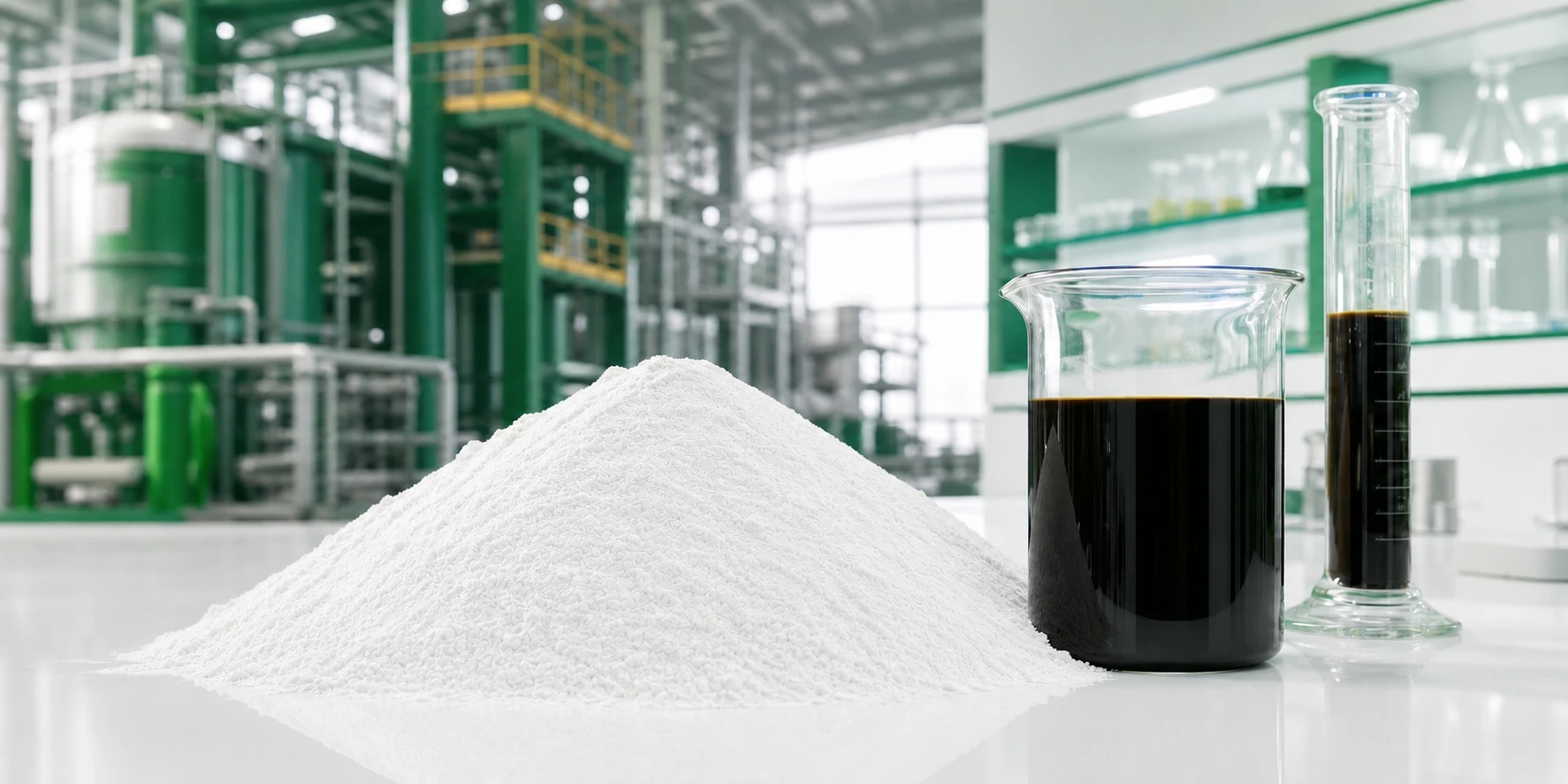
General organophilic clay category, a starting point for oil-continuous workover fluid evaluation.
View Product Viscosity and suspension path for oil-based systems.
View Product Compare approved OD-series grade paths before testing a formulation.
Compare GradesWorkover Fluid Compatibility Checks
| Check | Why it matters |
|---|---|
| Confirm fluid system type | Organoclay applies only to oil-continuous workover fluid, not brine- or water-based systems. |
| Run a small-scale compatibility test | Confirm compatibility with completion or other program fluid components before bulk use. |
| Review target rheology and temperature | Share your program conditions with the technical team for a grade recommendation. |
| Request documents before ordering | Request TDS and SDS/MSDS for the grade under evaluation. |
Technical Documents
Review current technical information before workover fluid evaluation.
Download / Request SDS / MSDSSupport safety, handling, compliance, and procurement document review before ordering.
Download / Request COA / SampleRequest a sample to run your own compatibility and performance test.
Request SampleBuyer Questions
Organoclay is relevant where a workover fluid uses an oil-continuous system that needs viscosity or suspension support, similar to its role in oil-based drilling mud. Many workover fluids are brine- or water-based, where organoclay does not apply. Confirm your fluid system type before evaluating an organoclay grade.
Grade selection depends on your specific base oil, target rheology, and temperature condition, similar to standard oil-based mud selection. Start with the grade selection guide or share your workover fluid formulation with the technical team for a recommendation, then confirm with the current TDS.
Confirm compatibility with completion or other fluid components used in your workover program through your own testing, since compatibility can be formulation-specific. Request the current TDS and SDS/MSDS, and consider a small-scale compatibility test before committing to a bulk order.
Yes. Samples are available for buyer evaluation. Share your fluid system, base oil, target performance, and any compatibility requirements so the technical team can guide your evaluation.
Bottom CTA
Send your fluid system, base oil (if applicable), target performance, and compatibility requirements. The technical team can confirm whether organoclay fits your program and route you to the right grade, TDS, or sample.