Understand the Scenario
See what horizontal and directional wells need from an organoclay rheology additive.
Application Scenario Page
Horizontal and directional wells put extra demand on hole cleaning and cuttings suspension, since deviated sections are harder to clean at low annular velocity than vertical sections. Organoclay builds the yield point and low-shear gel structure that support cuttings transport in oil-based and synthetic-based drilling fluid. Request current TDS, samples, or a grade recommendation before testing.

Application Summary
This page helps buyers quickly:
See what horizontal and directional wells need from an organoclay rheology additive.
Understand why cuttings suspension is especially important in deviated sections.
Move from the hole-cleaning need to an approved OD-series product direction.
Validate suspension and rheology performance before committing to a bulk order.
Scenario Requirements
Horizontal and directional wells run oil-based or synthetic-based drilling fluid through deviated sections where cuttings are harder to transport at low annular velocity than in vertical sections. The drilling fluid additive needs to build yield point and low-shear gel structure to support hole cleaning and resist cuttings and barite settling during connections or circulation pauses.
Organoclay provides that rheology and suspension structure in the oil-continuous phase. Grade and loading should be confirmed through rheology testing and the current TDS, matched to your well trajectory and base fluid.
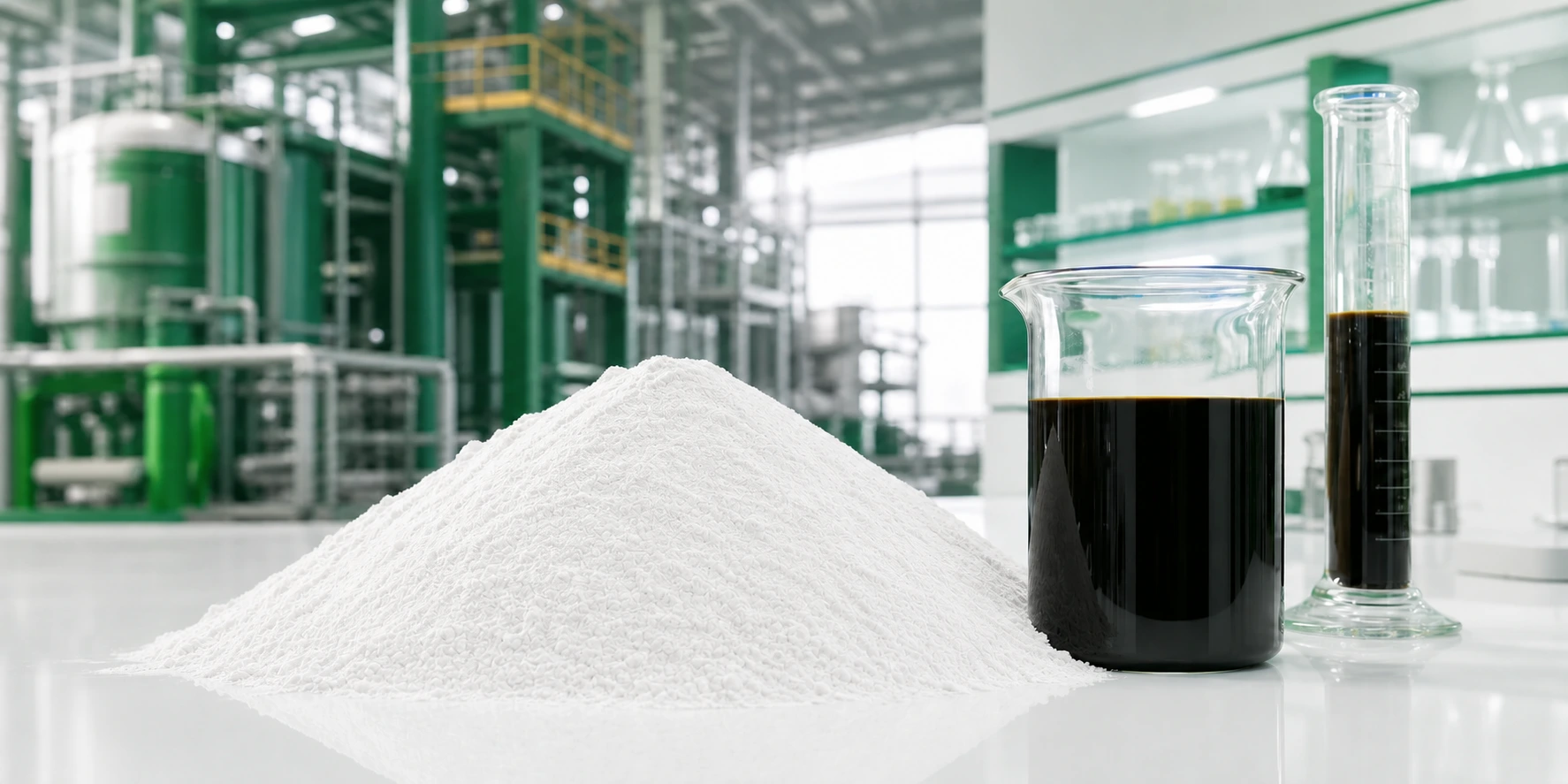
Main Drilling Fluid Challenges
Use this table to connect a common horizontal or directional drilling challenge with the organoclay function and the practical check to run before changing grade or dosage.
| Horizontal / directional challenge | Organoclay function | Buyer check before changing |
|---|---|---|
| Cuttings settling in horizontal or highly deviated sections | Builds yield point and low-shear structure to support cuttings transport | Confirm rheology profile and target readings against your well trajectory |
| Poor hole cleaning at low annular velocity | Gel strength supports suspension when circulation slows | Review gel strength readings and mixing procedure |
| Barite sag in deviated wellbore sections | Low-shear structure helps resist weighting-material settling | Check static and dynamic sag behavior for your mud weight |
| Extended reach exposing fluid to more time and shear | Consistent grade performance across a longer active period | Confirm grade stability over the expected circulation time |
How It Works
These performance areas help procurement and technical teams decide whether to request TDS, plan rheology testing, or ask for a grade recommendation.
Supports cuttings-carrying capacity through deviated sections.
Contributes to suspension of cuttings and solids at low annular velocity.
Helps resist settling during connections or circulation pauses.
Supports stable performance across longer horizontal and directional runs.
Recommended Product Direction
Only approved OD-series grade paths are shown. Final selection should be confirmed with current TDS, sample testing, and technical review.
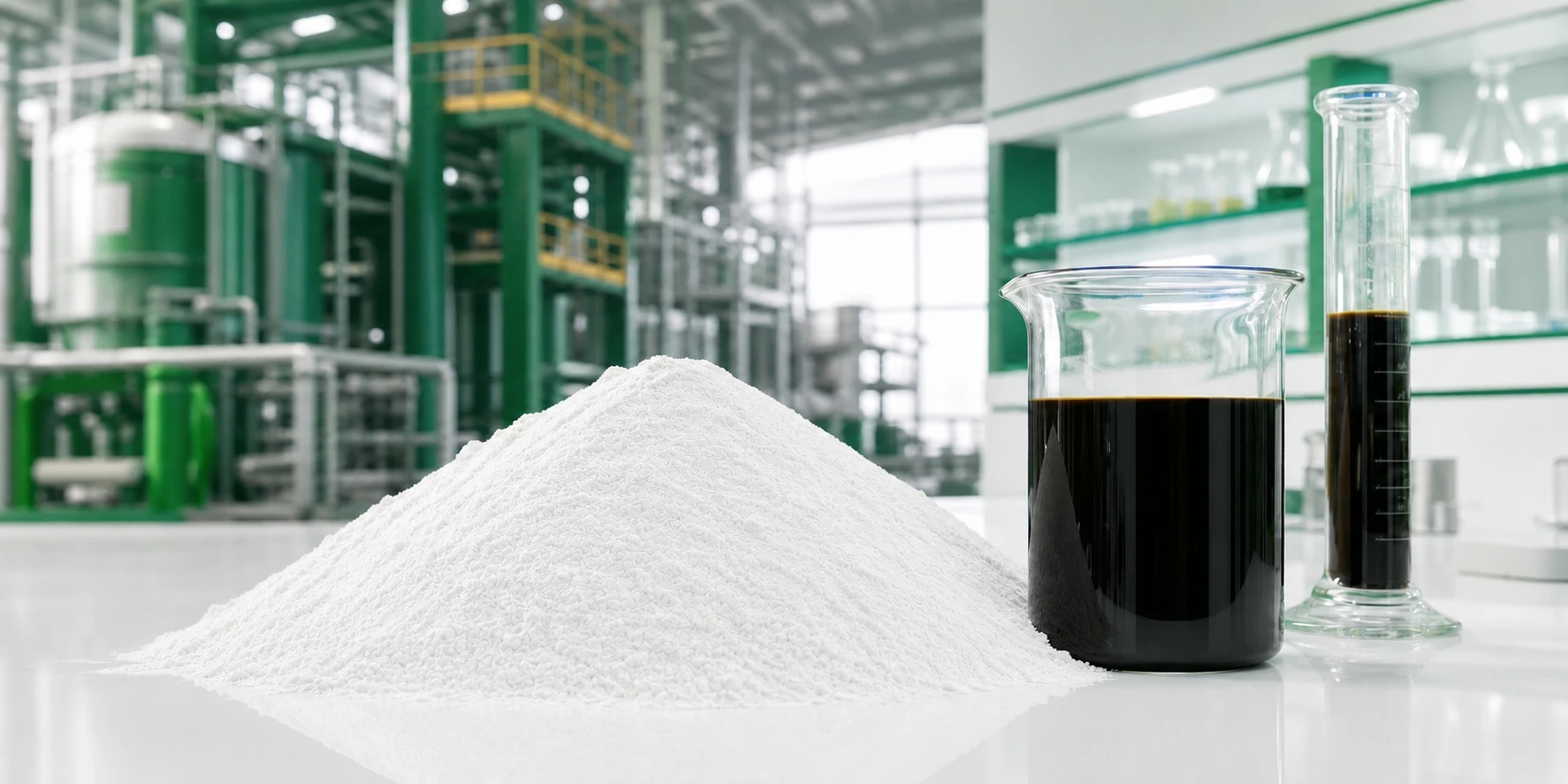
Primary oil-based mud viscosity and suspension path for hole cleaning.
View Product General organophilic clay drilling-grade category for OBM and SBM.
View Product Severe-condition grade path for hotter extended-reach wells.
View Product Compare approved OD-series grade paths before testing a formulation.
Compare GradesSelection Factors
Share these factors so the technical team can route your request to a suitable grade and sample path.
Deviated sections need stronger low-shear suspension behavior.
Match the grade to the continuous phase for reliable structure.
Define the target profile needed for cuttings transport in your trajectory.
Longer active periods put more demand on rheology stability.
List required documents and quantity so the team can route the correct grade and sample.
Hole Cleaning And Cuttings Suspension In Horizontal Wells
Cuttings in a horizontal or highly deviated wellbore tend to settle toward the low side of the hole rather than staying suspended, especially at low annular velocity. This makes yield point, gel strength, and low-shear-rate viscosity particularly important parameters to evaluate. Rheology testing under conditions representative of your well trajectory, rather than a generic vertical-well profile, gives a more reliable read on hole-cleaning potential.
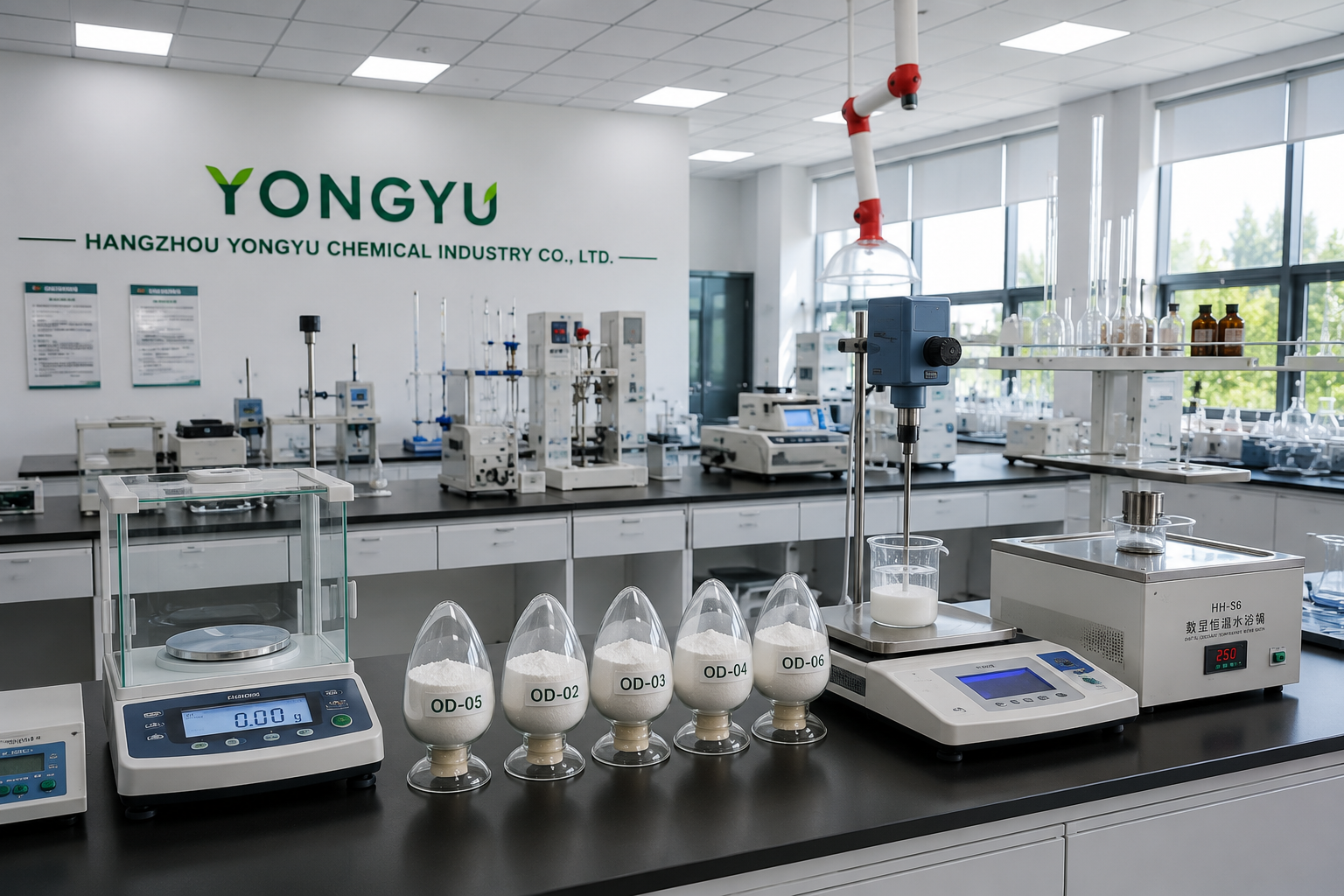
Related Drilling Fluid Systems
Review how organoclay controls suspension and reduces barite sag.
Solution Viscosity & Yield Point ControlSee how organoclay supports the yield point profile needed for hole cleaning.
Solution Barite Sag PreventionReview sag-risk considerations for deviated well geometry.
Solution Oil-Based Drilling FluidsReview organoclay across the oil-based drilling fluid system.
Supplier Support
HANGZHOU YONGYU CHEMICAL INDUSTRY CO., LTD. is presented in the approved project brief as a manufacturer established in 2005, with annual capacity of 25,000 tons per year. The team supports grade selection, export communication, document requests, sample evaluation, and quotation discussion for international oilfield chemical buyers.
Approved procurement facts include 25 kgs/bag packaging, MOQ of 1,000 kgs, and lead time of 7-10 working days after receiving deposit.
Technical Documents
Use these document paths to support hole-cleaning evaluation, safety review, procurement approval, and sample testing.
Review current technical information before hole-cleaning evaluation.
Download / Request SDS / MSDSSupport safety, handling, compliance, and procurement document review before ordering.
Download / Request COAAsk for COA support where available when sample or batch-level quality review is required.
Download / Request Sample RequestShare your well trajectory, base oil, and rheology target for evaluation guidance.
Request SampleBuyer Questions
Hole-cleaning and suspension needs in horizontal and directional wells often point toward the OBM viscosifier path around OD-20 or a standard drilling-grade path such as OD-05. High-temperature extended-reach wells may point toward OD-29. Final grade selection should be confirmed against base oil, well trajectory, and target rheology using the current TDS.
Organoclay builds yield point and gel strength in oil-based and synthetic-based drilling fluid, which supports cuttings transport and suspension. Horizontal and highly deviated sections can be harder to clean than vertical sections, so rheology profile and low-shear structure are especially important; confirm the target profile with the technical team and validate with lab testing.
Standard oilfield rheology testing, including plastic viscosity, yield point, and gel strength readings, along with low-shear-rate viscosity checks, helps evaluate suspension and hole-cleaning potential. See the drilling fluid testing methods resource for the standard test approach.
Yes. Samples are available for buyer evaluation. Share your well trajectory, base oil, mud weight, target rheology, and expected quantity so the technical team can confirm whether to start with TDS review, a sample test, or a grade recommendation.
Bottom CTA
Send your well trajectory, base oil, temperature condition, rheology target, quantity, and document requirements. The technical team can route you to the right OD-series grade path, TDS, sample, or quotation.